Every EWUian knows Dr. Mohammed Farashuddin's name. It is on the history page, in the founding story, in every mention of the university's origins. What most students do not know is just how far that story actually goes back, and how unlikely it once seemed.
Dr. Farashuddin was born in 1942 in the small village of Ratanpur, Nayapara Union, in Habiganj district. He lost his father when he was just 10 years old. To attend school, he had to walk 3.5 miles on foot every single day, from Class III all the way through Class VI, just to reach Jagadishpur J.C. High School. It was not an easy start by any measure. And yet, from the very beginning, he topped his class.
That early discipline carried him all the way to the University of Dhaka, where he earned a 1st Class 1st Position in BA Honours in Economics in 1963, followed by his Master's degree in Economics in 1964. He began his career as a Lecturer in the Department of Economics at Dhaka University that same year, before joining the Civil Service of Pakistan in 1966, where he held a series of administrative posts across the region.
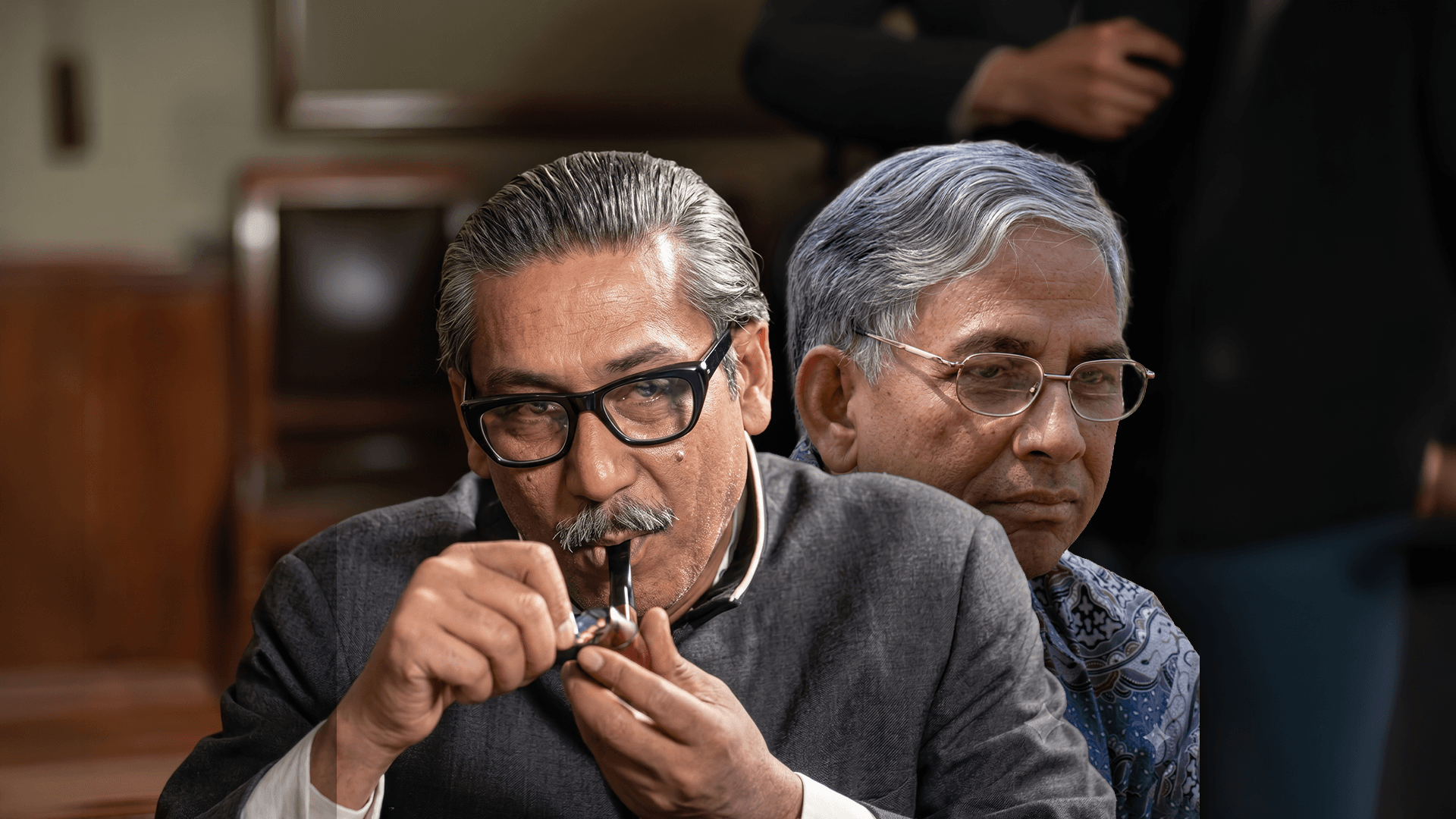
Then came a chapter that very few people associate with EWU's founder. Between 1973 and 1975, Dr. Farashuddin served as Private Secretary to Bangabandhu Sheikh Mujibur Rahman, during his tenure as both Prime Minister and President of Bangladesh. He worked directly within the innermost circle of the country's founding leadership, at a critical and formative period in Bangladesh's history.
His career did not stop there. In the early 1980s, while serving at the Ministry of Finance, Dr. Farashuddin drafted the first version of the Grameen Bank Ordinance in 1983, laying part of the legal groundwork for what would go on to become one of the most influential microfinance institutions in the world, eventually earning a Nobel Peace Prize.
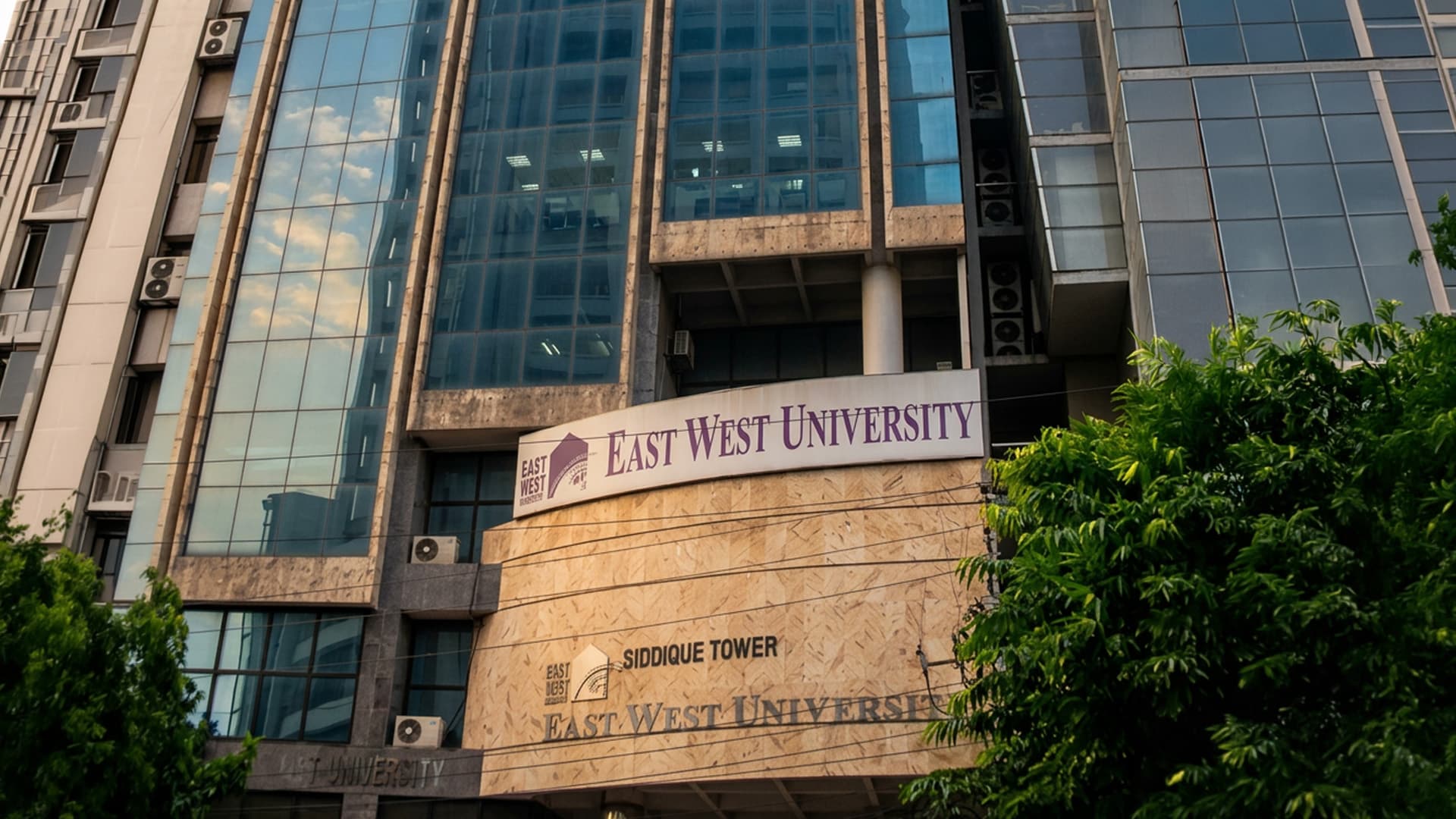
He then spent over a decade with the United Nations Development Programme, serving in postings across Tehran, Manila, and the Maldives. It was only in 1996, after returning from UNDP service, that he founded East West University, going on to serve as its founding Vice Chancellor.
In 1998, Dr. Farashuddin left his post at EWU to take on one of the most significant roles in the country's economic history, becoming the 7th Governor of Bangladesh Bank, a position he held until 2001.
Today, he continues to serve as Chairperson of EWU's Board of Trustees, still connected to the institution he built decades ago.
A village boy who walked miles to reach a classroom. A man who once stood beside Bangabandhu. A central bank governor. And the founder of the university where you are, right now, reading this.
That is not a small story. That is the story behind the name on EWU's history page.